

Safeguarding Your Property: The Importance of Confined Space Assessment
Confined Space Assessment 101
EHS
5/4/20262 min read
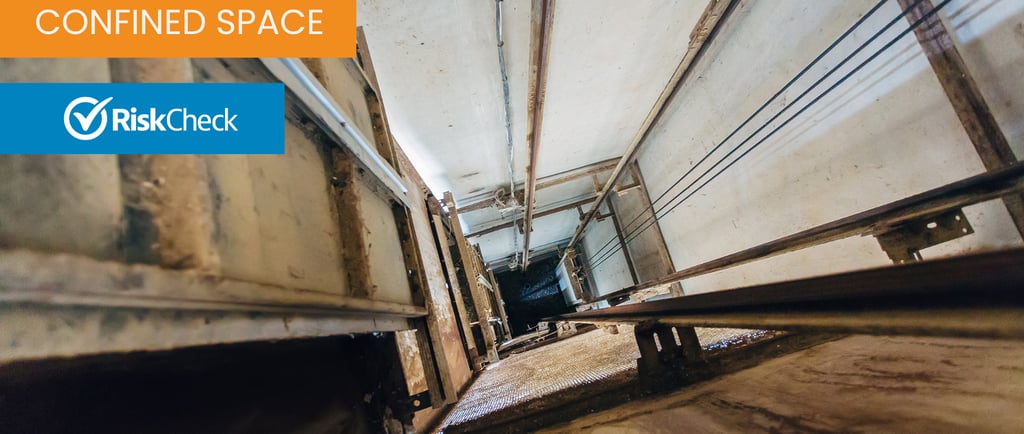
Property managers and building owners in Canada face a variety of health and safety challenges, and one of the most overlooked risks is the presence of confined spaces. Whether in underground parking garages, mechanical rooms, elevator shafts, or storage areas, confined spaces present significant hazards that can lead to serious injuries, regulatory penalties, or even fatalities if not properly managed.
At RiskCheck, we specialize in helping property owners navigate these risks with thorough confined space assessments and compliance solutions to enhance workplace safety and legal compliance.
What Is a Confined Space?
According to Canadian occupational health and safety regulations, a confined space is an enclosed or partially enclosed area that is not designed for continuous human occupancy and has limited entry or exit points. These spaces can contain hazardous atmospheres, extreme temperatures, or other risks that pose significant threats to workers. Examples in property management include:
Elevator pits
Underground parking ventilation shafts
Boiler and mechanical rooms
Crawl spaces
Storage tanks
Why Confined Space Assessments Are Essential
Performing a confined space assessment is a critical component of any property’s risk management strategy. These assessments help identify hazards, determine necessary control measures, and ensure compliance with provincial and federal health and safety laws. Key reasons property owners should conduct regular assessments include:
Legal Compliance – Provincial regulations require property owners and employers to assess and classify confined spaces. Failure to comply can result in costly fines or shutdowns.
Worker Safety – Identifying potential hazards such as toxic gases, lack of oxygen, or restricted movement can help prevent injuries and fatalities.
Liability Reduction – A documented confined space program demonstrates due diligence, reducing potential liability in the event of an accident.
Operational Efficiency – Knowing the safety protocols in advance prevents delays in maintenance or emergency situations.
Key Components of a Confined Space Assessment
At RiskCheck, our confined space assessment process includes:
Hazard Identification – Evaluating environmental and structural risks within confined spaces.
Air Quality Testing – Measuring oxygen levels, toxic gases, and airborne contaminants.
Entry Permits & Procedures – Ensuring compliance with legal requirements for workers entering confined spaces.
Rescue & Emergency Planning – Developing clear protocols for emergency response.
Worker Training & PPE Recommendations – Equipping employees with the necessary knowledge and protective equipment.
Managing Confined Space Risks with RiskCheck
Mitigating confined space risks requires expertise, proactive assessments, and compliance with safety standards. At RiskCheck, we partner with property owners and managers across Canada to provide:
Comprehensive confined space evaluations
Regulatory compliance guidance
Customized safety programs
Ongoing training and monitoring
By prioritizing confined space safety, property owners not only protect their workers but also safeguard their assets, reputation, and operational continuity.
Get Started with RiskCheck
If you own or manage properties that contain potential confined spaces, it’s time to take action. RiskCheck can help you identify risks, implement safety measures, and ensure full compliance with Canadian regulations.
Contact us today to schedule a confined space assessment and take the first step towards a safer, more compliant property management strategy.
Get in touch for expert risk management and compliance support
© 2026. All rights reserved.